
Physiotherapy for Ankle Injury Recovery (Chermside and North Brisbane)

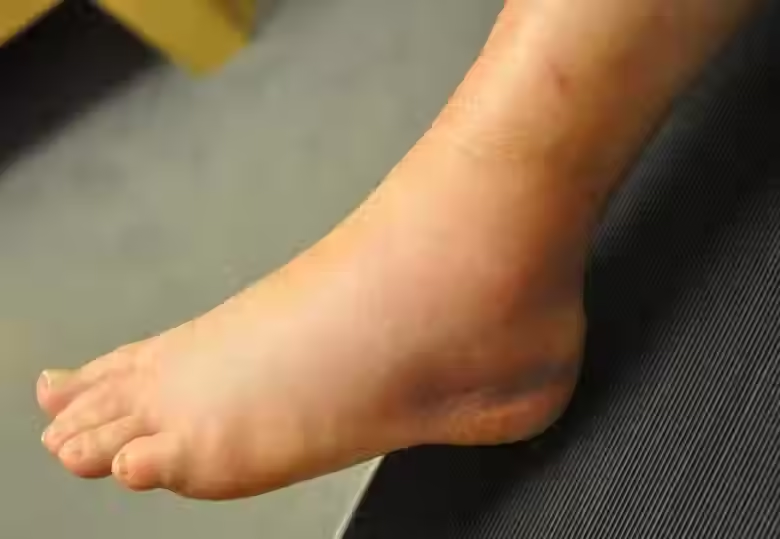
Key Takeaways (Quick Summary)
Ankle injuries need more than rest to recover fully
Physiotherapy supports movement, strength, and balance
Rehab should continue after pain settles
Proper recovery reduces the risk of long-term instability
Physiotherapy can help ankle injuries heal properly by reducing pain and swelling early, restoring movement and strength, and retraining balance to reduce the risk of re-injury.
At Quest Physio Chermside, we regularly see ankle injuries that seemed minor at first but linger because rehab stopped too early — or never addressed balance and control. This guide explains what effective ankle injury recovery actually involves, and how physiotherapy fits into each stage.
How Long Does an Ankle Injury Take to Heal?
Ankle injuries don’t follow a single timeline. Recovery depends on:
The type of injury (sprain, ligament tear, fracture, tendon strain)
Previous ankle injuries
How soon guided rehab begins
Most ankle injuries progress through four overlapping phases, each with a specific goal.
The 4 Stages of Ankle Injury Recovery
1. Acute Phase (First few days)

Goal: Settle pain and swelling
This phase focuses on protecting the injury while keeping surrounding areas moving.
Common strategies may include:
Activity modification (not complete rest)
Compression and elevation
Gentle movement within pain limits
Early guidance matters here — doing too much or too little can both delay recovery.
2. Early Rehab Phase

Goal: Restore movement
As swelling settles, controlled ankle motion helps prevent stiffness and loss of confidence.
This often includes:
Gentle range-of-motion exercises
Weight-bearing as tolerated
Education around safe movement
3. Strength & Stability Phase

Goal: Rebuild support around the ankle
This is where many people stop rehab too soon.
Physiotherapy commonly targets:
Calf, foot, and lower-leg strength
Control through the ankle joint
Progressive loading strategies
4. Return-to-Activity Phase
Goal: Reduce re-injury risk
Before returning to sport, work, or long walks, the ankle needs to handle unpredictable loads.
This phase often includes:
Balance and proprioception training
Direction-change and impact drills (when appropriate)
Gradual exposure back to normal activity
Each stage requires specific Physiotherapy techniques/guidance tailored to the injury's severity and individual's needs.
What Does Physiotherapy for Ankle Injuries Involve?
Physiotherapy isn’t just exercises — it’s guided decision-making through recovery.
Manual Therapy (When Appropriate)
May help improve joint movement and reduce protective muscle tension:
Joint mobilisation
Soft tissue techniques
Exercise-Based Rehabilitation
The core of ankle recovery:
Mobility exercises (early)
Strength training (progressive)
Balance and coordination retraining
Supportive Strategies
Used selectively:
Taping or bracing
Load-management advice
Education around footwear and activity levels
All care is individualised and adjusted based on symptoms and progress.
When Should You Start Physiotherapy After an Ankle Injury?
In most cases: sooner than people think — but not recklessly early.
General guidance:
Mild sprains: gentle rehab within 48–72 hours
Moderate injuries: once swelling and pain begin to settle (often within a week)
Post-surgery or fractures: guided by your surgeon or specialist
Early, appropriate rehab can reduce:
Ongoing stiffness
Recurrent sprains
Long-term ankle instability
What You Can Do at Home to Support Recovery
Physiotherapy works best when paired with good habits between sessions.
Helpful strategies include:
Completing prescribed exercises consistently
Wearing supportive footwear during early recovery
Avoiding sudden jumps back into running or sport
Practising simple balance drills once safe to do so
Allowing adequate sleep and recovery time
Can Physiotherapy Help Prevent Future Ankle Injuries?

Yes — and this is often the most overlooked benefit.
Research shows that ongoing strength and balance training can reduce the risk of repeat ankle sprains, particularly if you’ve injured the ankle before.
This is especially important for:
Field and court sport athletes
Runners
People who’ve had multiple ankle sprains
If your ankle still feels weak, stiff, or unreliable — even weeks after an injury — a physiotherapy assessment can help clarify what’s holding recovery back.
We work with ankle injuries at every stage, from early recovery through to confident return to activity.
This information is general in nature and does not replace advice from a registered health professional.


Comments